News & Ideas - All Blogs

Designing better futures through participation


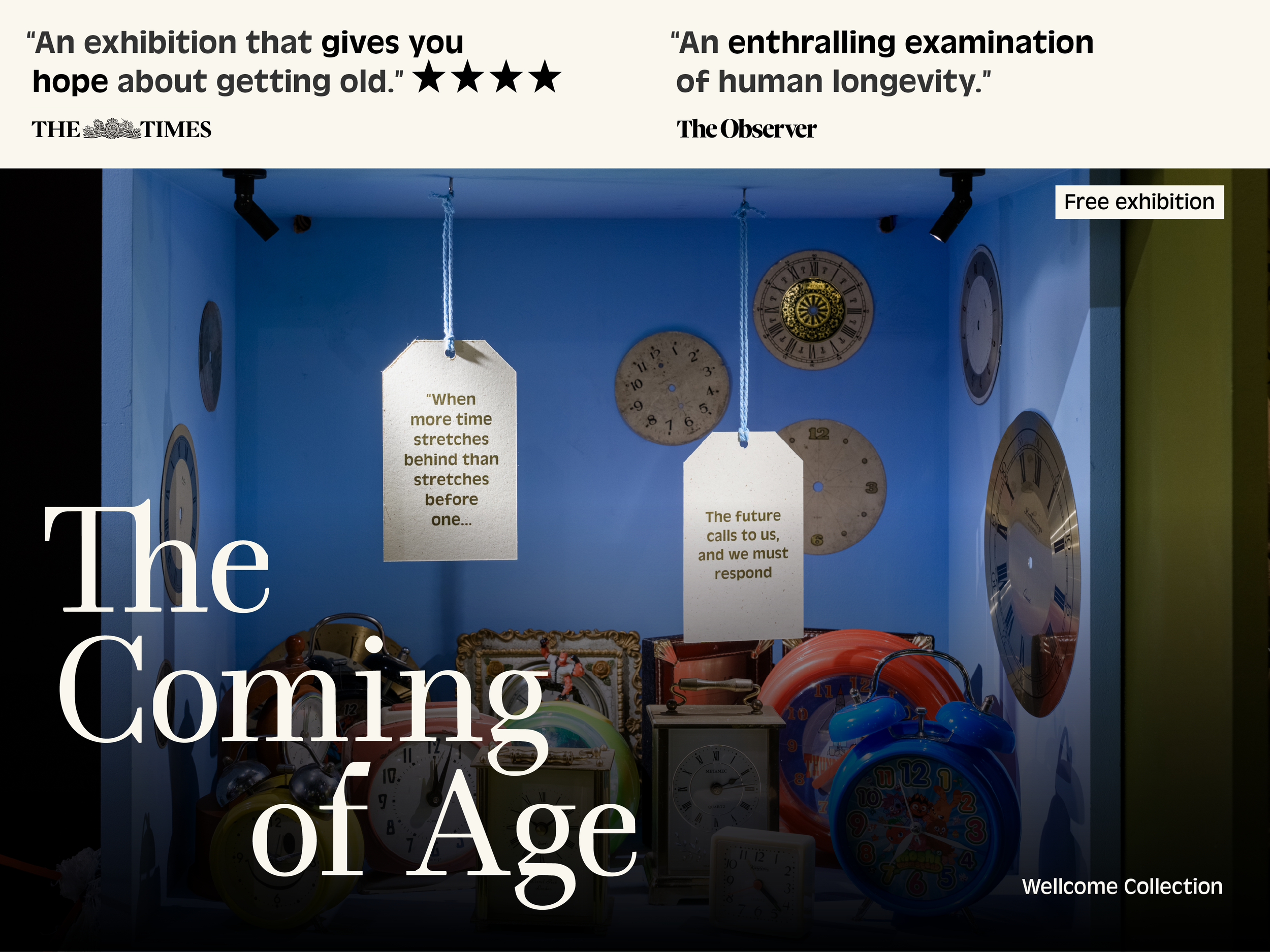
A recent article in The Times revisited 26 women who, a decade ago, chose to grow older together in an all-female cohousing community – a hopeful response to the question: what if ageing didn’t have to mean growing old alone?

It’s a timely reminder that, with one in ten children in the UK now expected to live beyond 100, we urgently need to rethink what it means to age well in modern society.

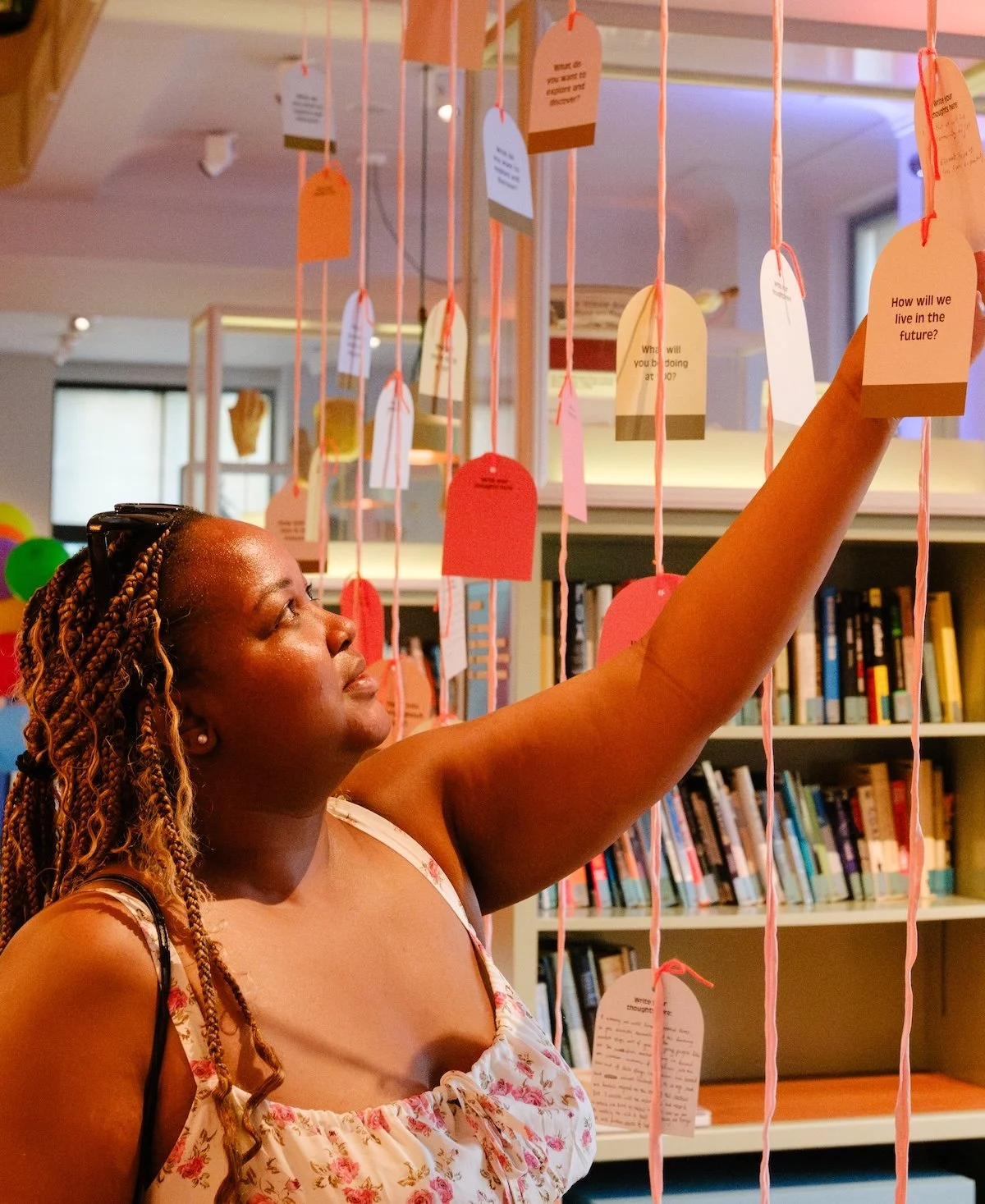
That question sits at the heart of The Coming of Age, Wellcome Collection’s major new exhibition exploring later life through art, science and popular culture. As part of the exhibition, our immersive installation, Unclaimed, transforms a section of the gallery into a surreal lost property office, where forgotten objects become gateways into deeply human stories of ageing. Blending data with personal experience, it invites visitors to challenge assumptions about later life and imagine more connected, hopeful futures.


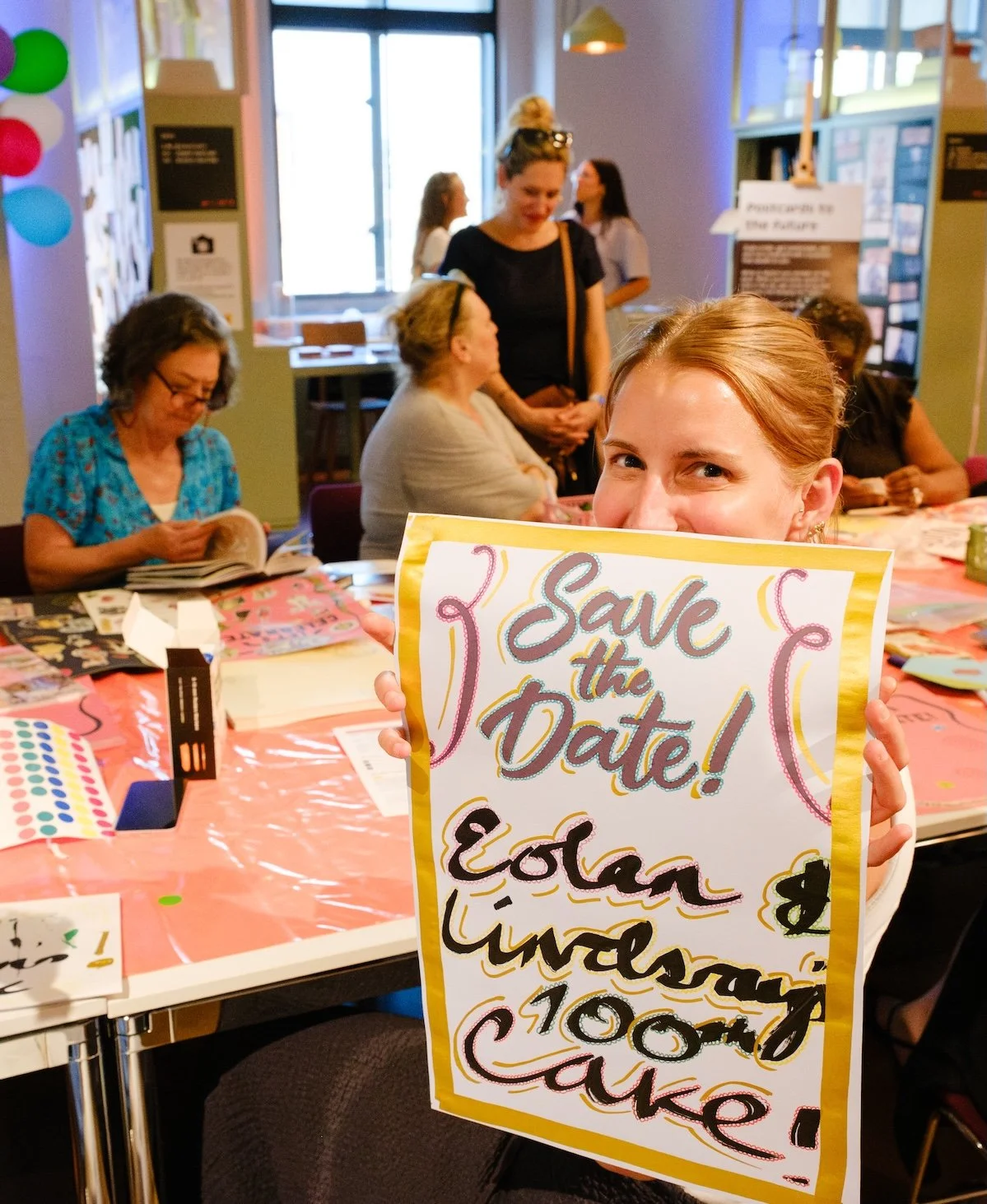
And at our recent Wellcome Lates event, those conversations continued. People reflected on the milestones society tells us we should reach by a certain age, the traditions they'd like to create, and how their perspectives on ageing have changed over time. One of the highlights was seeing intergenerational conversations unfold so naturally – a reminder that, in a world where opportunities for different generations to connect are often limited, creating space for these exchanges has never been more valuable.

The Coming of Age exhibition is free and runs until 29 November – find out more here.

 
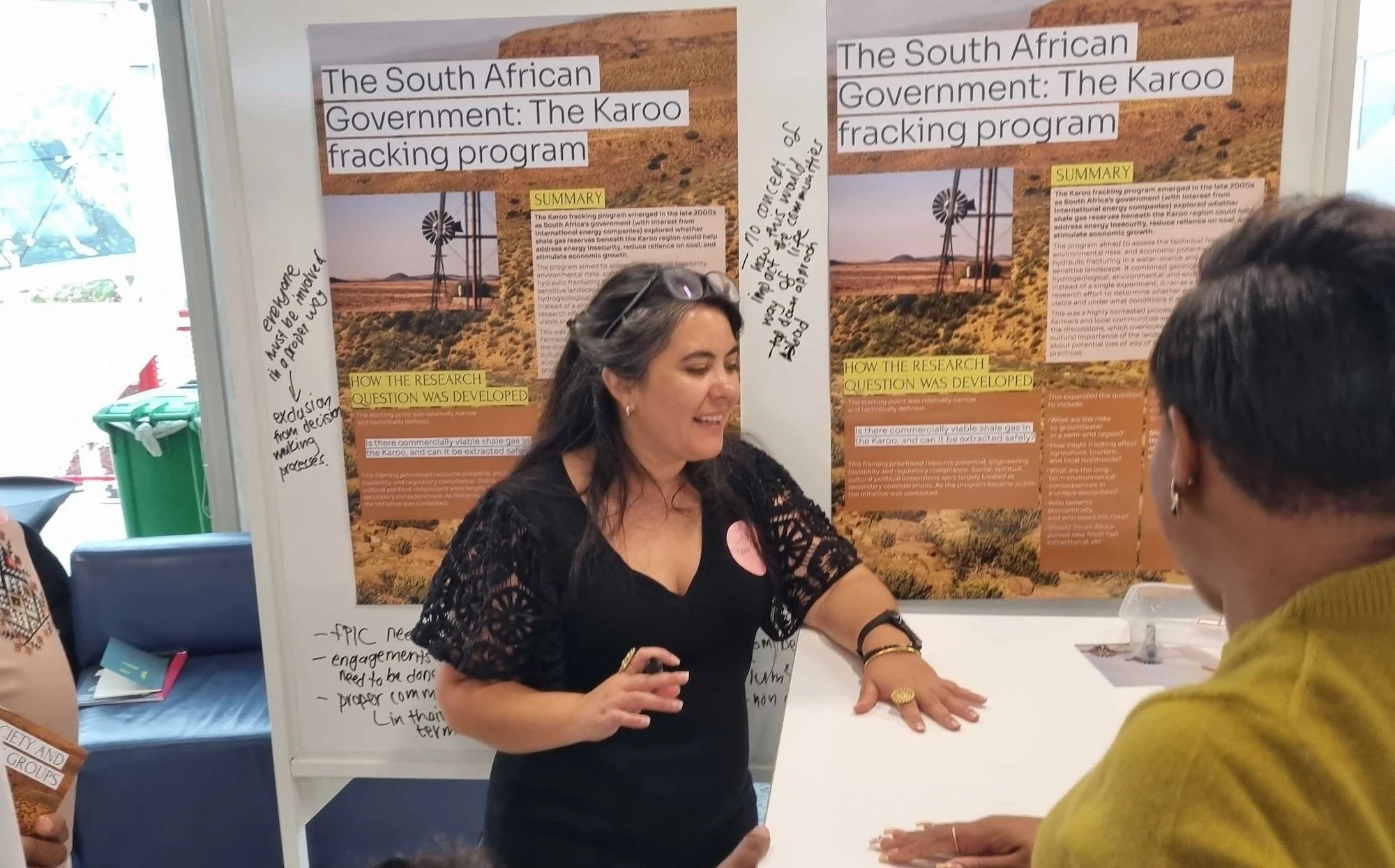
a person stands in front of a whiteboard covered with pictures and writing, showing something on a table to people who are standing around
 

Who gets to shape research – and whose voices are missing from the conversation?

That question shaped a recent project we delivered in Cape Town, where we designed and facilitated a two-day workshop in collaboration with DSG and UCT. Bringing together researchers and civil society organisations from across Africa, the workshop explored how communities themselves can help shape the future of climate cooling research.

Our role was to transform a room full of different expertise, priorities and lived experience into a space for genuine collaboration. Through immersive activities, creative facilitation and carefully designed moments of reflection, participants quickly moved beyond sharing their own perspectives to building new ideas together.

The result was two energising days of honest dialogue, fresh perspectives and – most importantly – a new set of research questions rooted in the priorities of the communities they aim to serve. Because better outcomes start with better conversations, especially when the people most affected have a meaningful role in shaping them.

 
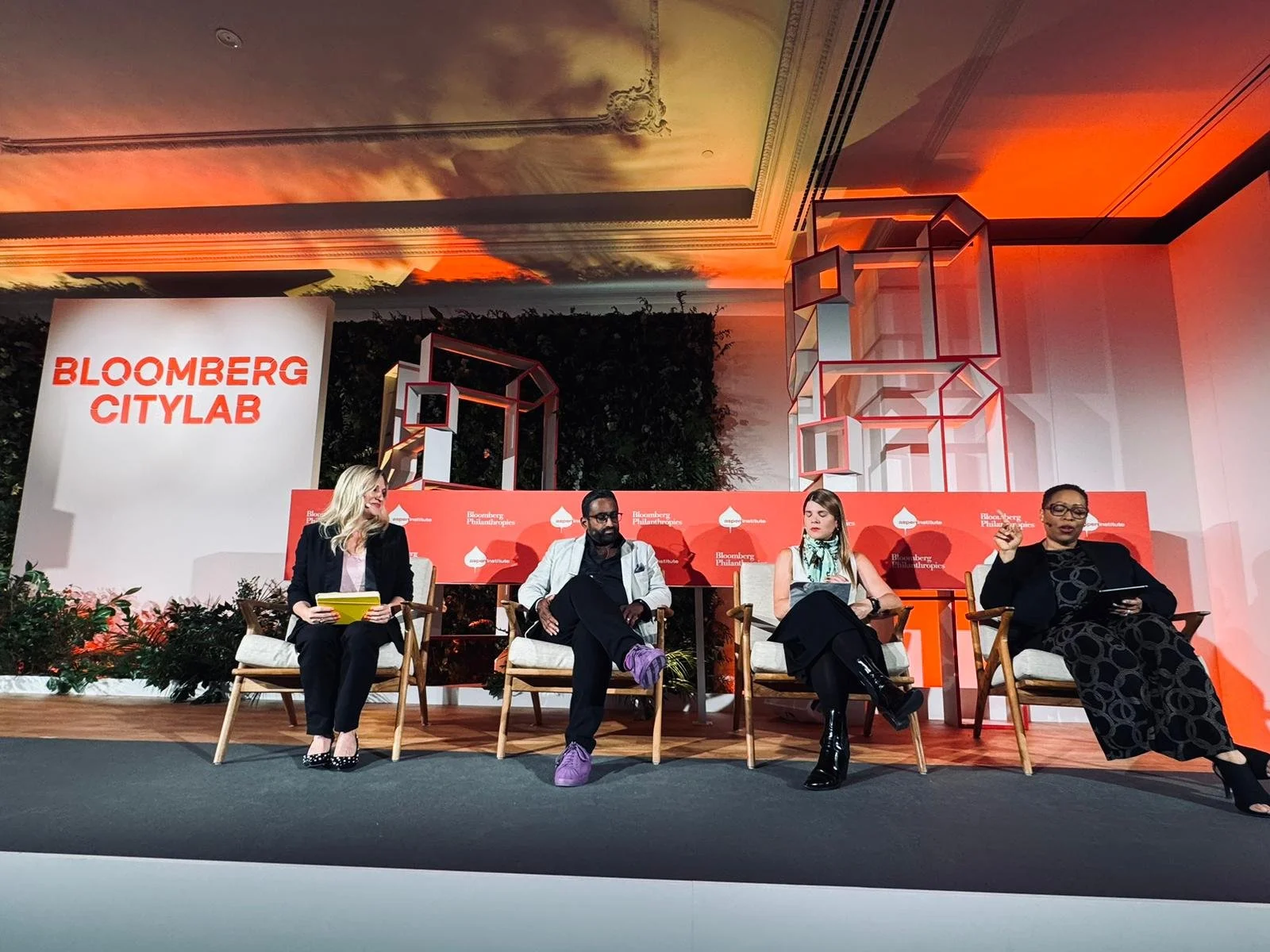
4 people sit on a stage in front of a sign that reads 'Bloomberg Citylab'

Imagining more inclusive cities

We were recently invited to speak at Bloomberg CityLab in Madrid, where more than 1,000 mayors, city leaders and urban practitioners gathered to share ideas and practical solutions to some of the biggest challenges facing cities today.

Our director, Sarah Douglas, joined a panel exploring how cities can better support the often-overlooked night shift workers who keep urban life running – sharing insights from our award-winning Night Club initiative.

What stayed with us most from the summit was the sense that creativity and imagination weren’t treated as extras, but as essential tools for tackling complex urban challenges. That's a belief we've long shared, and one that continues to shape how we work with cities, institutions and organisations facing uncertain futures.

 
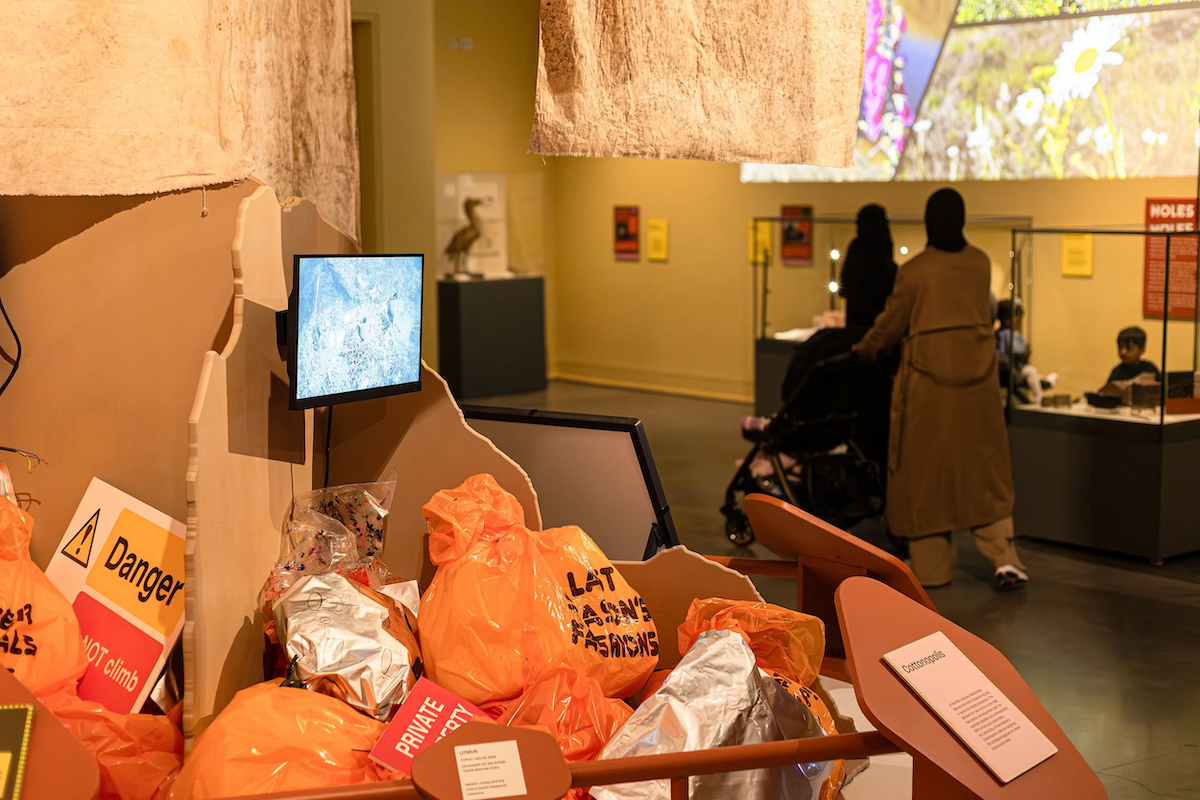
A waste dump in a museum with passersby

Rethinking how exhibitions tour

Human Natures, our touring exhibition commissioned by MAGNET, has arrived at its latest home, Manchester Museum. Exploring how humans shape the natural world through themes including waste, pollution, biodiversity loss and climate change, the exhibition was conceived from the outset as a new model for touring: one that combines a strong, consistent identity with the flexibility for each host museum to respond to its own collections, spaces and audiences.

By designing a framework that can evolve rather than simply be replicated, Human Natures demonstrates a different model for touring exhibitions; one that gives museums greater ownership, reduces waste and creates more meaningful experiences for local audiences. It's a reminder that designing for adaptability can often create more value than designing for consistency alone.

Catch Human Natures in Manchester Museum until 1 November, before it moves to its next home.


To receive our newsletters straight to your inbox, please sign up here.

 
Sarah Douglas