
Co-designing a Health Trial for a Funder
What was the challenge?
Impact on Urban Health (IOUH) could see that health trials need to be designed differently to achieve better outcomes. When people with lived experience help shape the research, the trial is far more likely to be trusted and to yield high-quality data and insights.
This shift requires new ways of working: approaches that are reciprocal, reduce power imbalance and allow for honest contributions.
In this project, IOUH were looking at the first 1001 days of a child’s life, which play a critical role in long-term mental health outcomes. They were exploring new forms of cash support for families, and asked The Liminal Space to design the research process, bringing our expertise in creative co-design, responsible practice and cross-stakeholder alignment.
What did we do?
Our role was to build an environment and methodology where academic, operational and lived-experience expertise could convene to shape a prospective trial.
Working with IOUH, academic partners and local community linchpins, we led the full co-design process. We developed a series of workshops with mothers whose experiences reflect that of the families who would be invited to participate in the trial.
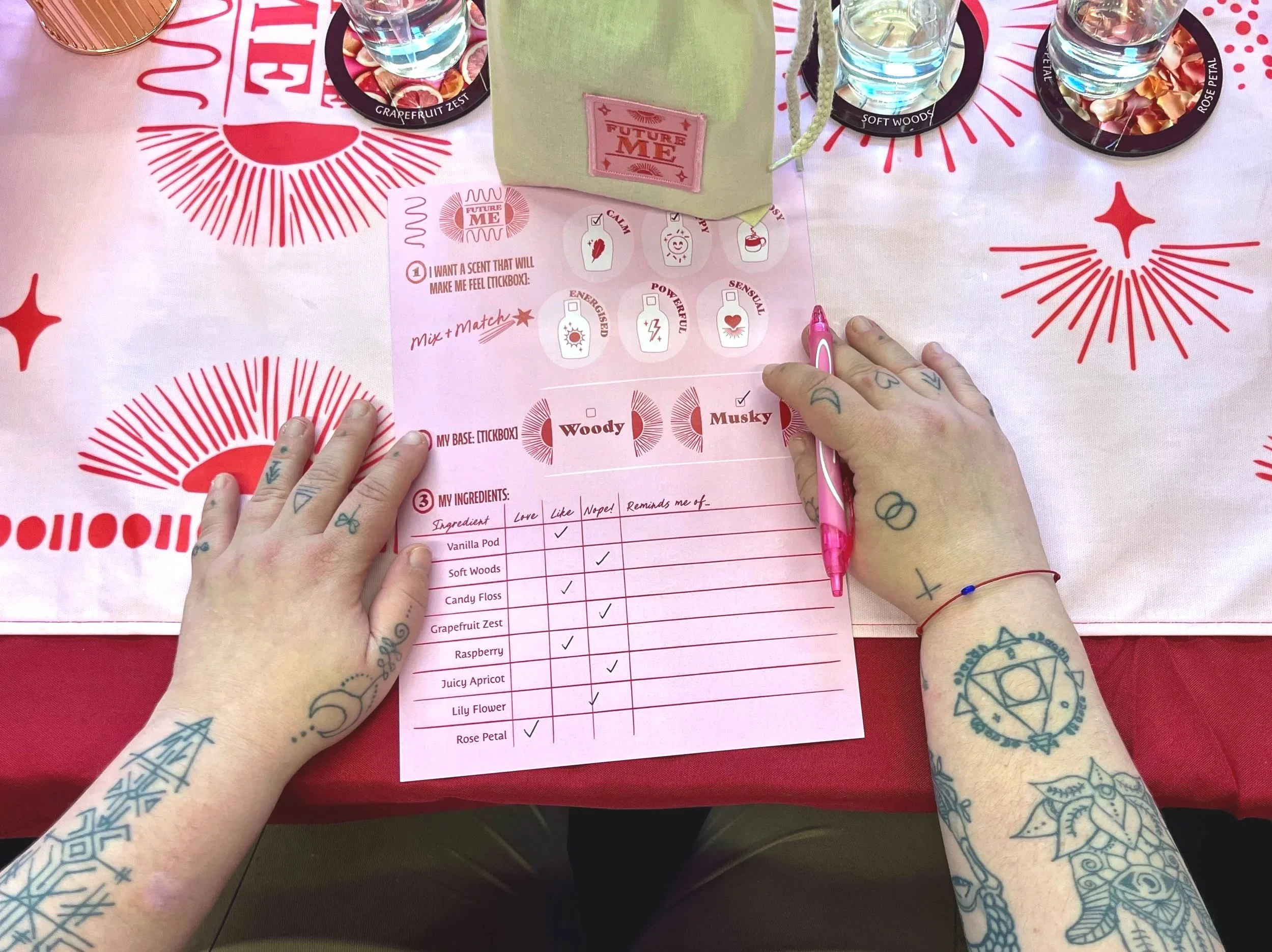
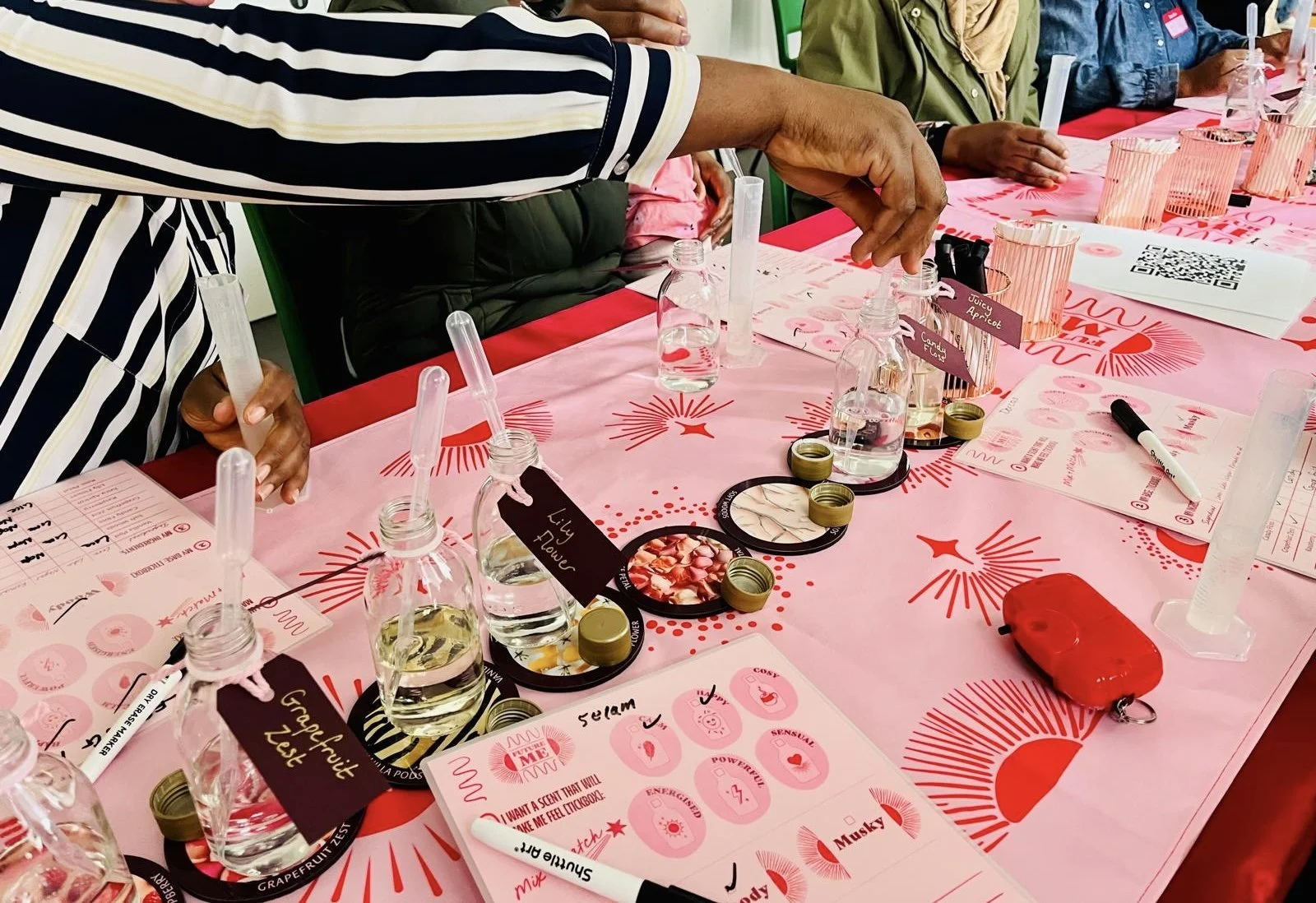
Our approach was radically creative. Instead of traditional qualitative research, we designed a perfume-making experience that acted as a leveller: everyone working with the same materials, experimenting, disagreeing, laughing and discovering. This format encouraged ownership over the process, giving mothers the confidence to speak openly and hold differing views when articulating what support would genuinely make a difference in the first 1001 days, and why certain interventions risk stigma or emotional cost.
This approach built a shared evidence base and shaped design principles for the next phase of the work.
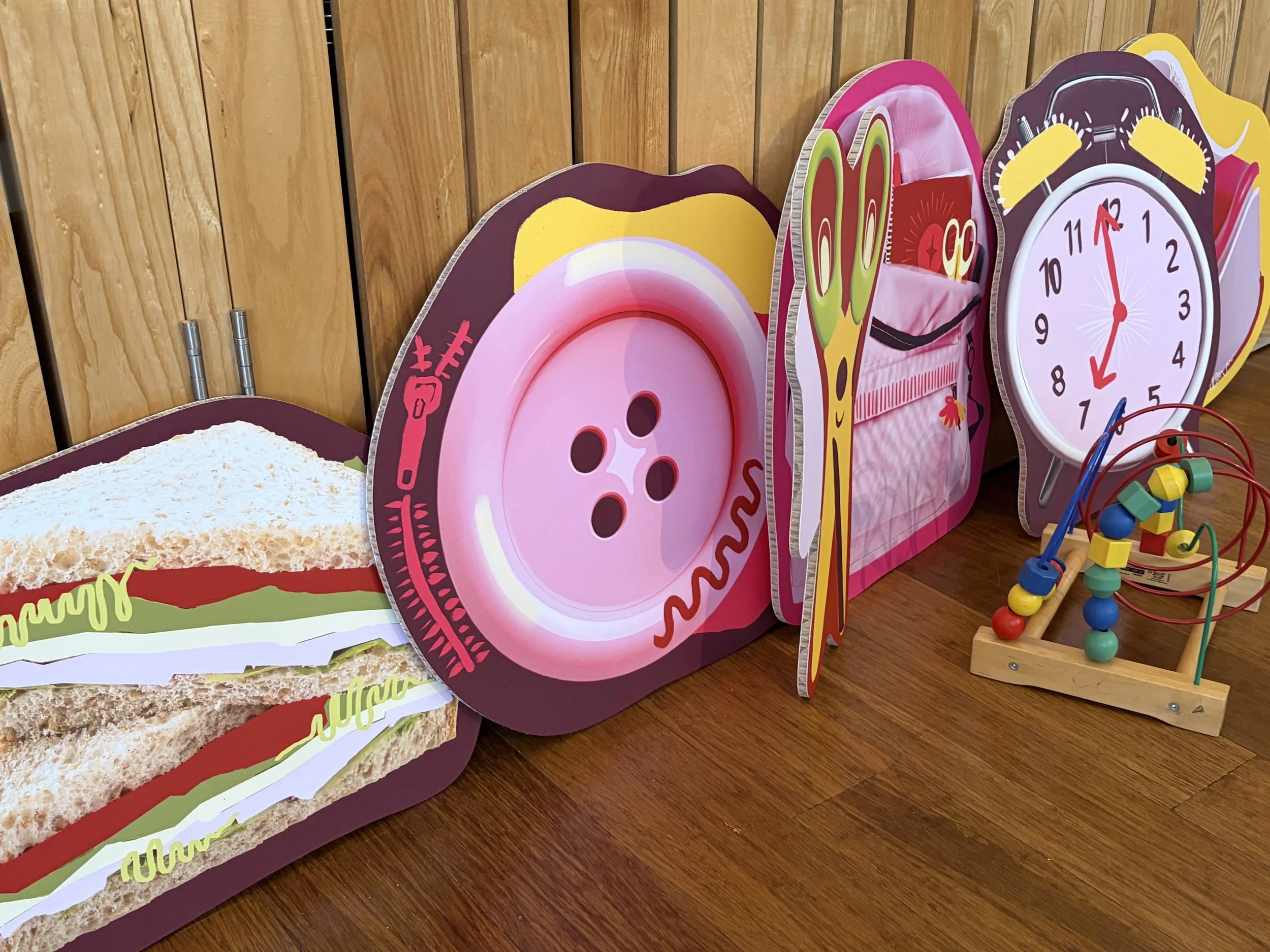
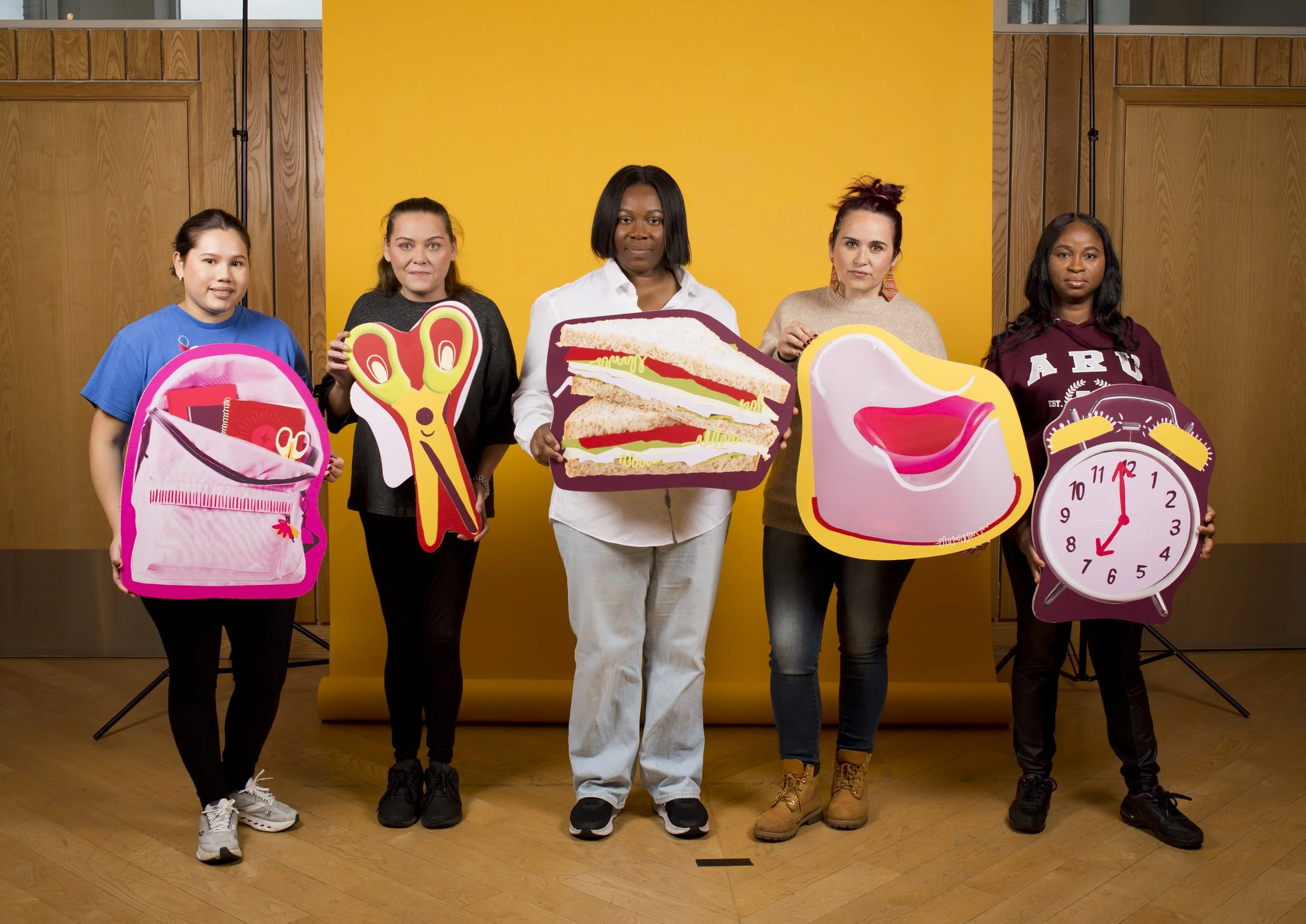
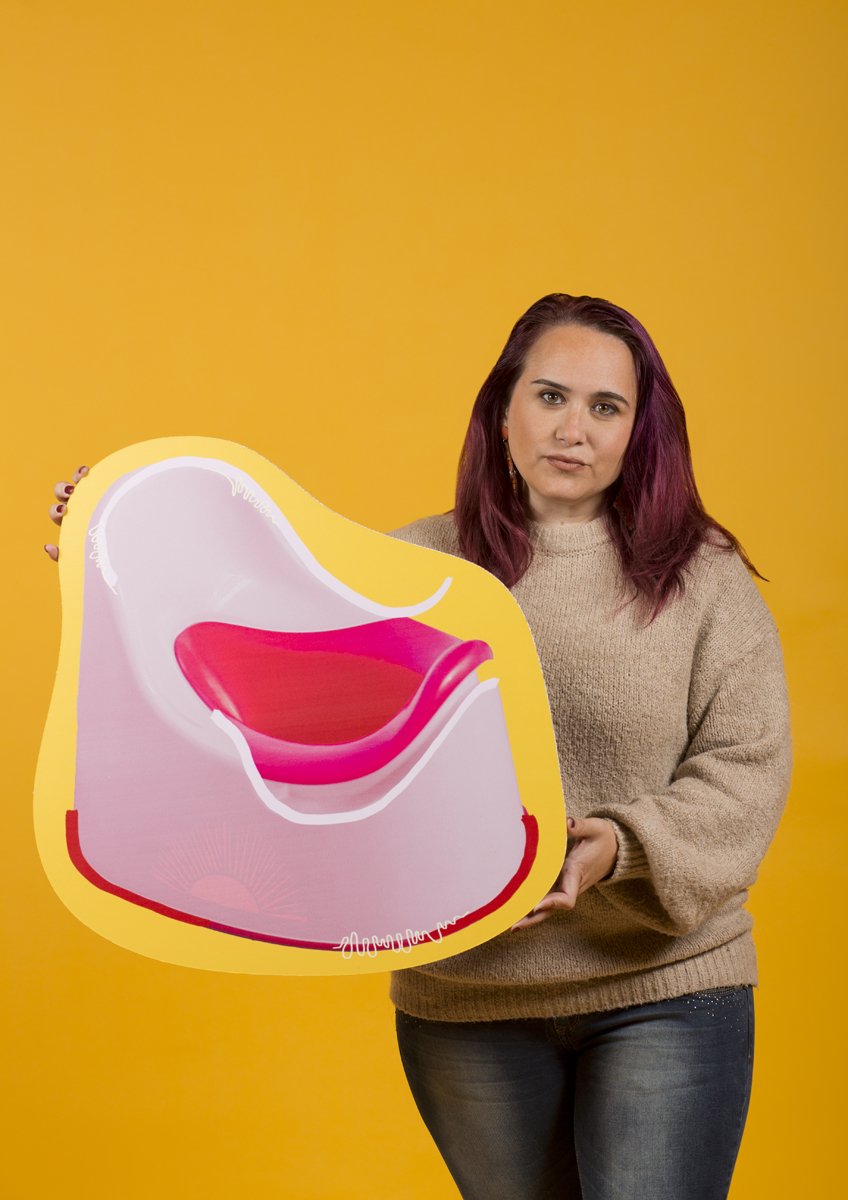
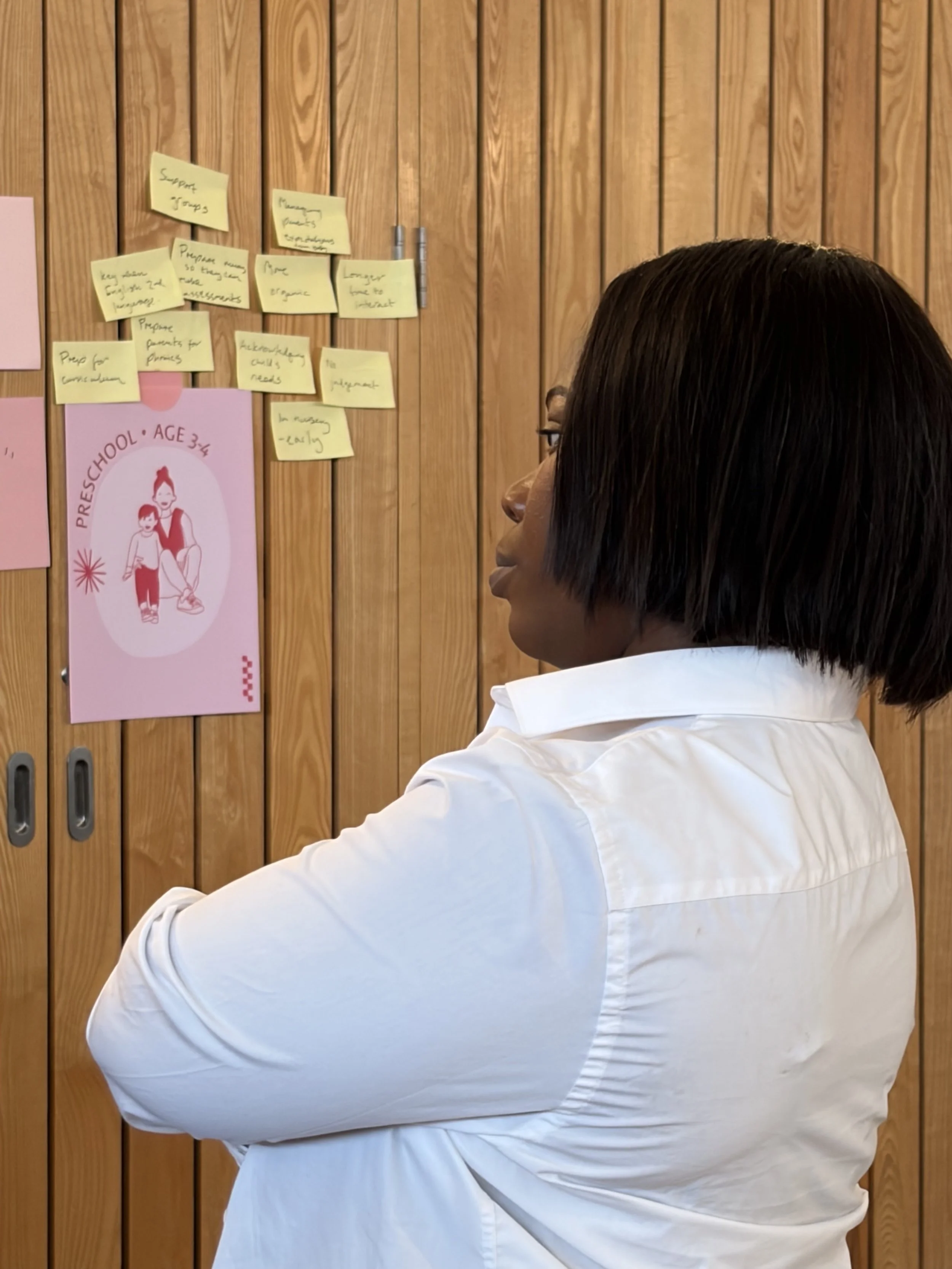
Our outputs included a highly visual report distilling these insights, alongside a subsequent set of portrait-led storytelling assets focused on mothers’ experiences preparing their children for the start of school.
What was the impact?
Our process helped IOUH reframe the core question from whether more cash support helps to how to design it well – aligning mothers and experts that the real value now lies in testing delivery models, wrap-around support and community-led approaches, not in proving the basic case for cash.
Our co-design approach generated clear principles for any future programme or trial, and the process had very strong engagement. 100% of participants said they could share ideas, had learnt something new, found the workshop interesting and would recommend it to peers.
The Mothers’ Voices report and portrait-led storytelling assets now give IOUH a shareable way to carry these insights into policy, programme design and wider conversations on maternal and infant mental health.
“The workshop was wonderful...there was a solidarity that built up among the women. It was a sacred space, they were held…it was just too short.”
“The Liminal Space were great to work with, bringing creativity to complex health challenges. They combined thorough research with co-design to develop thoughtful insights and recommendations that will inform our ongoing work. The creative assets were of a high quality and engaging.”